London Clip Art for Designers
Capturing the essence of a global metropolis requires more than just generic icons; it demands visual assets that convey history, culture, and whimsy in equal measure. For graphic designers and creative professionals seeking to infuse their projects with British flair, London - Clip Art offers a curated solution that bridges nostalgia with modern design utility. This collection is not merely decorative; it serves as a strategic tool for enhancing visual communication across various media formats.
Elevating Brand Identity with Iconic Imagery
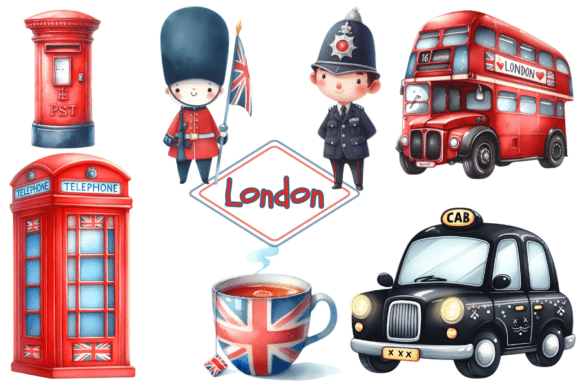
In the realm of branding and brand identity, consistency and recognizability are paramount. Incorporating well-known symbols such as the double-decker bus, the red telephone box, or the Kings Guard can instantly anchor a design in a specific cultural context. However, the challenge lies in using these clichés without appearing dated or amateurish. High-quality illustrations resolve this by providing clean lines, balanced proportions, and vibrant color palettes that align with contemporary design trends.
When integrating these elements into logo design or corporate materials, the transparency of PNG files becomes a critical asset. It allows designers to layer images seamlessly over complex backgrounds, ensuring that the visual hierarchy remains intact. Whether you are developing a travel agency’s brochure or a boutique hotel’s digital presence, these assets help establish an immediate emotional connection with the audience.
Versatility Across Digital and Print Media
The utility of premium clip art extends far beyond simple decoration. In digital marketing and social media graphics, eye-catching visuals are essential for stopping the scroll. A whimsical illustration of a London landmark can serve as the focal point for an Instagram post, a header for a blog article, or a thumbnail for a video series. The high resolution of 5000 x 5000 pixels ensures that these images remain crisp and detailed, regardless of the platform.
For print design applications, such as packaging design, greeting cards, or souvenir merchandise, the 300dpi specification is non-negotiable. Low-resolution images often result in pixelation, which undermines the perceived quality of the final product. By utilizing high-fidelity assets, designers ensure that their creative projects maintain a professional presentation, whether they are printed on glossy cardstock or textured paper.
- Scrapbooking and Journals: Add a personal touch to travel memories with layered stickers and decorative elements.
- Web and UI Design: Use simplified icons to enhance navigation or illustrate location-based services without cluttering the interface.
- Editorial Design: Break up text-heavy layouts in magazines or newsletters with engaging visual breaks.
- Party Décor: Create cohesive themes for events by repeating key motifs across invitations, banners, and table settings.
Best Practices for Integrating Visual Assets
To maximize the impact of these illustrations, designers must consider how they interact with other design elements such as typography and color palette. A common mistake is allowing the clip art to overpower the message. Instead, use these images to support the narrative. For instance, if the typography is bold and modern, pair it with simplified, flat-design versions of the London icons. If the font is serif and traditional, more detailed, whimsical illustrations may complement the tone better.
Furthermore, consider the user experience (UX) when deploying these assets in web design. Large image files can slow down load times, so it is essential to optimize them for the web without sacrificing clarity. For static prints, however, retaining the full resolution is crucial for maintaining sharp edges and vibrant colors. Always test your designs in their intended medium to ensure that the modern aesthetics translate effectively.
Consistency is another key factor. When using a set of themed images, ensure that the style, line weight, and color saturation remain uniform throughout the project. This coherence strengthens the overall design workflow and results in a polished, cohesive look that reinforces the brand’s professionalism. Avoid mixing disparate styles, as this can create visual confusion and detract from the core message.
Ultimately, the right creative assets do more than fill space; they communicate values, evoke emotions, and enhance storytelling. By choosing high-quality, versatile illustrations, designers can elevate their work from functional to exceptional. Whether you are crafting a souvenir for tourists or designing a sophisticated campaign for a luxury brand, thoughtful integration of thematic imagery ensures that your visual communication resonates deeply with your audience.